Yellowstone Montana: North Entrance, Gardiner & Mammoth Hot Springs Guide
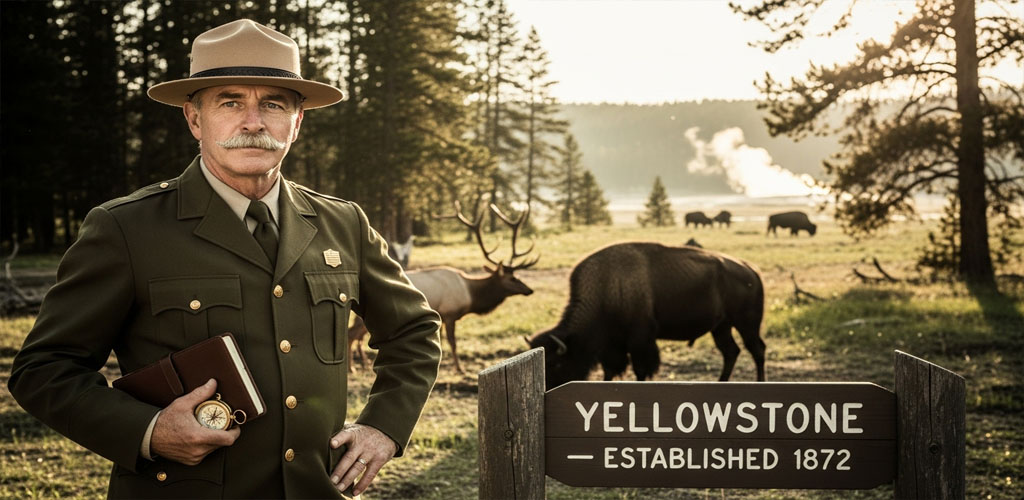
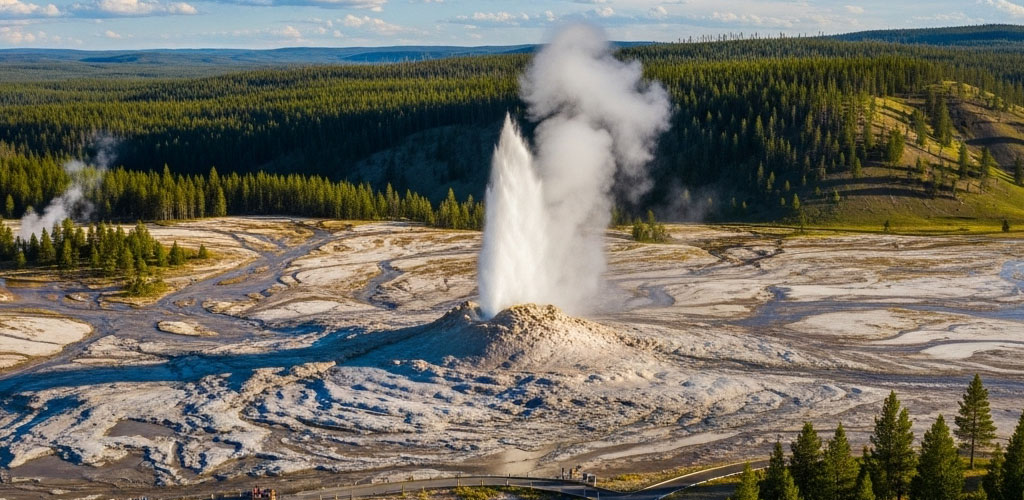
Montana serves as the northern gateway to Yellowstone National Park, offering year-round access through the iconic North Entrance at Gardiner and providing visitors with unparalleled wildlife viewing opportunities in America's oldest national park. The Montana section encompasses some of Yellowstone's most accessible and spectacular attractions, including the world-famous Mammoth Hot Springs, the historic Roosevelt Arch, and direct access to the renowned Lamar Valley—often called "America's Serengeti" for its abundant and easily visible wildlife populations.
• Primary Access: North Entrance at Gardiner, Montana
• Year-Round Operation: Only entrance open all winter
• Gateway Town: Gardiner (population 900, elevation 5,259 ft)
• Key Attractions: Mammoth Hot Springs, Roosevelt Arch, Lamar Valley access
• Wildlife Advantage: "Serengeti of the U.S." for exceptional viewing
• Distance from Bozeman: Scenic 1.5-hour drive through Paradise Valley
Gardiner, Montana - Your Authentic Western Gateway
Historic Frontier Town Character
Gardiner embodies the authentic spirit of the American West, serving as Yellowstone's northern gateway since the late 1800s when it was established as a hub for early park visitors. This small town of 900 residents maintains its frontier character while providing modern conveniences and services essential for park exploration. Located at 5,259 feet elevation—significantly lower than most areas inside the park—Gardiner offers easier acclimatization for visitors traveling from lower elevations.
The town's western heritage permeates every aspect of the visitor experience, from the architecture and local businesses to the genuine hospitality of residents who possess generations of knowledge about Yellowstone's seasonal patterns, wildlife behavior, and hidden gems. Walking through Gardiner feels like stepping into an authentic piece of American frontier history, complete with the backdrop of dramatic mountain scenery and the constant possibility of wildlife encounters right in town.
• Local Wildlife: Elk wander streets in summer, bison amble through in winter
• Authentic Atmosphere: Genuine western frontier town, not tourist replica
• Local Knowledge: Residents with deep park expertise and wildlife insights
• Services: Full range of visitor services in historic western setting
• Cultural Connection: Strong ties to park history and conservation heritage
Essential Services and Amenities
Accommodations: Gardiner offers diverse lodging options to suit all preferences and budgets. The Absaroka Lodge and Antler Lodge provide comfortable, western-themed accommodations with easy park access, while numerous cabins, bed-and-breakfasts, and vacation rentals offer more intimate experiences. Many accommodations feature stunning views of Electric Peak and the Yellowstone River Valley, creating memorable stays enhanced by the dramatic Montana landscape.
Dining and Shopping: The town's restaurants showcase both hearty western fare and diverse culinary options, often featuring locally sourced ingredients and catering to outdoor enthusiasts' appetites. Local shops and outfitters provide essential gear including bear spray, camping supplies, fishing equipment, and outdoor clothing. Several businesses specialize in wildlife viewing equipment, photography gear, and guided services for park exploration.
Recreation and Services: Big Sky E Bike rentals offers a unique way to explore the Old Yellowstone Trail with leisurely rides to the travertine terraces, providing excellent wildlife viewing opportunities while pedaling through spectacular scenery. The town's fuel stations, grocery stores, and supply shops ensure visitors can stock up on necessities before entering the park, while local outfitters provide professional guide services and equipment rentals.
Roosevelt Arch - America's Most Famous Park Entrance
Historical Significance and Symbolism
The Roosevelt Arch stands as one of America's most iconic and recognizable park entrances, built in 1903 during Theodore Roosevelt's presidency as the official gateway to the world's first national park. President Roosevelt himself laid the cornerstone during a ceremony while vacationing in Yellowstone, cementing the arch's place in both park and American history. The arch bears the inscription "For the benefit and enjoyment of the people," taken directly from the original legislation establishing Yellowstone National Park.
This massive stone structure represents more than mere architectural grandeur—it symbolizes America's commitment to preserving natural wonders for future generations and embodies the democratic ideal that our greatest natural treasures belong to all people. Driving through the Roosevelt Arch creates a powerful sense of arrival and anticipation, marking the transition from the modern world into one of Earth's most extraordinary wilderness preserves.
🏛️ Roosevelt Arch Details:
- Construction: 1903, during Theodore Roosevelt's presidency
- Dedication: Roosevelt laid cornerstone during park vacation
- Inscription: "For the benefit and enjoyment of the people"
- Architecture: Massive stone construction in grand western style
- Photo Opportunity: Most photographed entrance in national park system
- Symbolism: Represents democratic access to natural wonders
Modern Visitor Experience
Today's visitors experience the same sense of wonder and anticipation that has greeted park visitors for over 120 years. The arch provides an outstanding photography opportunity, with many families and groups creating memorable images that capture their Yellowstone adventure's beginning. The surrounding area often features wildlife sightings, as bison and elk frequently cross near the entrance, creating spontaneous wildlife viewing opportunities before visitors even enter the park proper.
North Entrance - Your Year-Round Gateway to Yellowstone
Operational Advantages and Access
The North Entrance offers unmatched advantages for Yellowstone visitors, operating year-round when weather conditions close other entrances for months at a time. This reliability makes Montana the most dependable access point for winter visitors and provides flexibility for travelers dealing with unpredictable mountain weather conditions. The entrance ranks as the second most popular summer entry point, following only the West Entrance near West Yellowstone.
The scenic approach via Highway 89 through Paradise Valley from Bozeman creates one of the most beautiful drives in the American West. This route showcases Montana's diverse landscapes, from the Yellowstone River valley to dramatic mountain ranges, often providing wildlife viewing opportunities before visitors even reach the park boundary. Recent travelers report seeing elk, pronghorn, bighorn sheep, and eagles during the drive, making the journey itself an integral part of the Yellowstone experience.
Wildlife Viewing Excellence
Locals in Gardiner rightfully claim the North Entrance as "nature's favorite entrance," a designation earned through exceptional wildlife viewing opportunities that begin immediately upon entering the park. The open terrain of northern Yellowstone allows for excellent visibility of large animals, earning the area its nickname as the "Serengeti of the U.S." This landscape advantage makes wildlife photography and observation significantly easier compared to more forested park areas.
The wildlife diversity accessible through the North Entrance is extraordinary, including elk, bison, mule deer, pronghorn antelope, wolves, grizzly bears, black bears, coyotes, red foxes, bald eagles, and numerous other species. Professional wildlife guides operating from the Gardiner area possess intimate knowledge of animal movement patterns, seasonal behaviors, and optimal viewing locations, providing visitors with the best possible chances for memorable wildlife encounters.
🦌 Wildlife Viewing Advantages via Montana:
- Open Terrain: Excellent visibility for spotting and photographing animals
- Year-Round Access: Only entrance providing winter wildlife viewing
- Species Diversity: Access to full range of Yellowstone wildlife
- Lamar Valley: Direct route to "America's Serengeti"
- Professional Guides: Local expertise for optimal viewing experiences
- Dawn Opportunities: Best wildlife activity times easily accessible
Mammoth Hot Springs - Montana's Thermal Wonderland
Unique Thermal Features and Geology
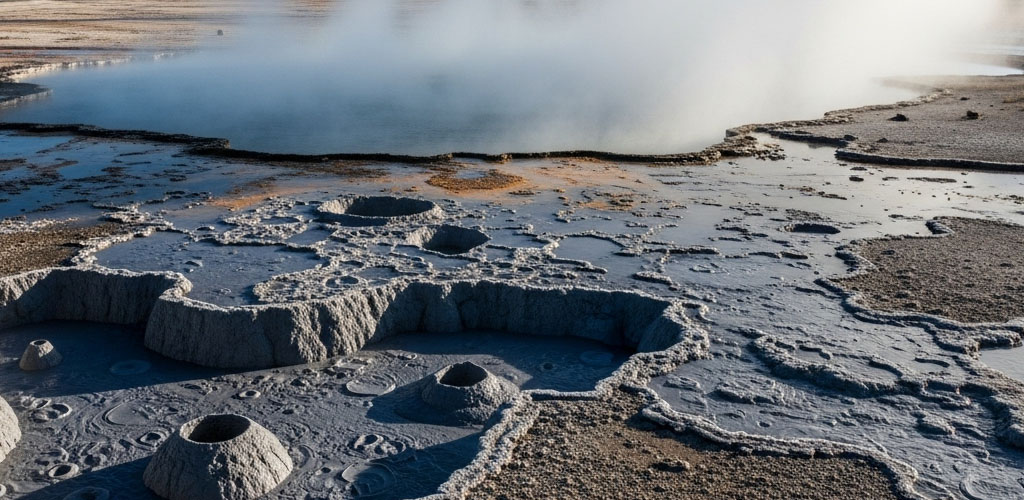
Mammoth Hot Springs represents one of Yellowstone's most distinctive and accessible thermal areas, located just five miles south of the North Entrance at 6,200 feet elevation. Unlike the silica-based formations found elsewhere in the park, Mammoth features spectacular travertine terraces created by limestone deposits from hot springs, creating alien-looking white and colored stepped formations that constantly change as mineral-rich water flows over them.
The terraces create a unique landscape unlike anywhere else on Earth, with steaming springs emerging from multi-level limestone platforms that have been building for thousands of years. The contrast between the bone-white limestone formations, bright mineral colors, and steaming springs creates dramatic photography opportunities enhanced by the historic Fort Yellowstone buildings that provide cultural context to these geological wonders.
Exploration Options and Access
Main Terrace Boardwalk System: Easily accessible boardwalks provide close-up views of active springs and intricate mineral formations, allowing visitors to observe the ongoing geological processes that create these extraordinary features. The boardwalk system accommodates visitors of all mobility levels while protecting the delicate thermal features and ensuring visitor safety around hot springs.
Upper Terrace Loop Road: This scenic drive provides elevated perspectives of the thermal features and access to additional springs and viewpoints not reachable on foot. The road reveals the scope and complexity of the Mammoth thermal system while offering opportunities to experience features like Orange Spring Mound, where visitors can get remarkably close to active hydrothermal features.
♨️ Mammoth Hot Springs Safety & Etiquette:
- Stay on Boardwalks: Thermal features extremely hot and fragile
- No Pets: Animals prohibited on all thermal area boardwalks
- Respect Wildlife: Elk and bison frequent thermal areas
- Photography Rules: No tripods on boardwalks during busy periods
- Preserve Features: No touching, throwing objects, or collecting materials
Historic Fort Yellowstone
The Mammoth area also encompasses Fort Yellowstone, a historic military installation that protected the park from 1886 to 1918 before the National Park Service was established. The preserved fort buildings now house park administrative offices and visitor services while providing insight into the early history of park protection and management. Walking through this historic district creates understanding of the challenges faced by early park protectors and the evolution of national park conservation philosophy.
Access to Lamar Valley - America's Serengeti
Direct Route to Wildlife Paradise
The North Entrance provides the most direct and convenient access to Lamar Valley, widely recognized as America's premier wildlife viewing destination. From Mammoth Hot Springs, visitors travel east on Grand Loop Road past Tower-Roosevelt to reach this enormous valley along the Lamar River, where the combination of open terrain and abundant wildlife creates viewing opportunities unmatched anywhere in North America.
Lamar Valley's vast open spaces allow visitors to observe natural animal behaviors without the visual obstructions common in forested areas. The valley supports massive herds of bison, elk, and pronghorn while serving as prime hunting territory for wolf packs and bears. Early morning and evening visits provide the most active wildlife viewing, with professional guides available to enhance the experience through expert knowledge of animal patterns and behaviors.
Seasonal Wildlife Patterns
Spring and Summer: Peak wildlife activity as animals emerge from winter ranges and young animals are born. Wolf packs are most active, and bear sightings increase as these predators seek food sources throughout the valley. Elk calving season provides opportunities to observe maternal behaviors, while bison herds move through the valley in impressive formations.
Fall and Winter: Dramatic seasonal changes as animals prepare for winter and migration patterns shift. Elk bugling season creates unforgettable auditory experiences, while the rut provides opportunities to observe breeding behaviors. Winter access via the North Entrance allows for unique cold-weather wildlife viewing when other park areas become inaccessible.
Year-Round Access Advantages
Winter Wonderland Opportunities
Montana's North Entrance provides the only reliable year-round access to Yellowstone, offering winter visitors unique experiences impossible during other seasons. The lower elevation of Gardiner and the maintained Highway 89 from Bozeman ensure access even during severe winter weather that closes other park entrances for months. This reliability makes Montana essential for photographers, wildlife enthusiasts, and adventurers seeking winter park experiences.
Winter transforms the Montana section into a snow-covered wonderland where thermal features create dramatic steam displays against white landscapes, and wildlife concentrates in areas with reliable food sources and thermal warming. Cross-country skiing, snowshoeing, and winter wildlife photography become possible through Montana access when the rest of the park becomes inaccessible to most visitors.
❄️ Winter Access Benefits:
- Only Open Entrance: Reliable access when others close for months
- Mammoth Camping: Only year-round campground in entire park
- Thermal Contrast: Steam features dramatic against snow landscapes
- Wildlife Concentration: Animals seek thermal areas and lower elevations
- Photography Opportunities: Unique winter conditions for spectacular images
- Services Available: Gardiner maintains full services year-round
Accommodations and Services
Mammoth Hot Springs Hotel & Cabins: The only year-round lodging within Yellowstone National Park, this historic property offers both hotel rooms and various cabin configurations. Guests frequently enjoy the unique experience of elk grazing outside their windows, while the hotel's location provides immediate access to thermal features and serves as the base for year-round park exploration.
Mammoth Campground: Distinguished as the only campground in the entire park system operating year-round, Mammoth Campground offers 85 sites scattered among juniper and Douglas fir trees. The campground's location provides close access to fishing, hiking, and thermal features while offering the possibility of elk and bison passing through campsites—creating unforgettable camping experiences.
Planning Your Montana Yellowstone Adventure
Optimal Timing and Seasonal Considerations
Peak Summer Season (June-August): All attractions and services operate at full capacity, providing complete access to thermal features, wildlife viewing, and recreational activities. While crowds increase during this period, the North Entrance generally experiences less congestion than other entrances while still providing access to all major park attractions.
Shoulder Seasons (April-May, September-October): Exceptional value periods offering excellent weather, active wildlife, and reduced crowds. Spring brings wildlife activity as animals emerge from winter, while fall provides spectacular colors and elk bugling season. These periods often provide the best balance of favorable conditions and manageable visitor numbers.
Winter Season (November-March): Unique opportunities for experienced outdoor enthusiasts seeking dramatic winter landscapes and exclusive park access. Winter requires proper preparation and equipment but rewards visitors with extraordinary experiences unavailable during other seasons.
Essential Preparation and Recommendations
Success in exploring Yellowstone's Montana section requires understanding the area's character and preparing accordingly. Book accommodations well in advance, particularly for summer visits and winter stays when options become limited. Stock up on supplies in Gardiner, where prices and selection often exceed in-park options, and consider renting or purchasing bear spray from local outfitters who provide expert advice on proper use.
Plan sufficient time to fully appreciate the diverse experiences available through Montana access. The combination of thermal features, wildlife viewing, historical attractions, and wilderness access requires multiple days to experience comprehensively. Consider engaging local guides who possess intimate knowledge of seasonal patterns, wildlife behaviors, and optimal timing for various activities.
Connecting Montana Experiences with Park-Wide Adventures
Montana serves as an ideal base for comprehensive Yellowstone exploration, providing year-round access that can be combined with visits to other park areas during favorable weather periods. From Mammoth Hot Springs, visitors can easily access Grand Canyon of Yellowstone viewpoints, thermal features throughout the park, and Yellowstone Lake activities.
The Montana section's character provides a perfect introduction to Yellowstone's wonders while offering experiences unavailable elsewhere in the park. Whether arriving through the historic Roosevelt Arch, exploring the otherworldly Mammoth Hot Springs, or witnessing wildlife spectacles in Lamar Valley, Montana offers an authentic western gateway to America's most treasured natural preserve.
Experience Yellowstone through Montana's unique perspective, where authentic western heritage combines with unparalleled natural wonders to create adventures that embody the spirit of the American West. From the frontier charm of Gardiner to the thermal marvels of Mammoth Hot Springs, Montana provides an unforgettable foundation for discovering the complete magic of Yellowstone National Park.